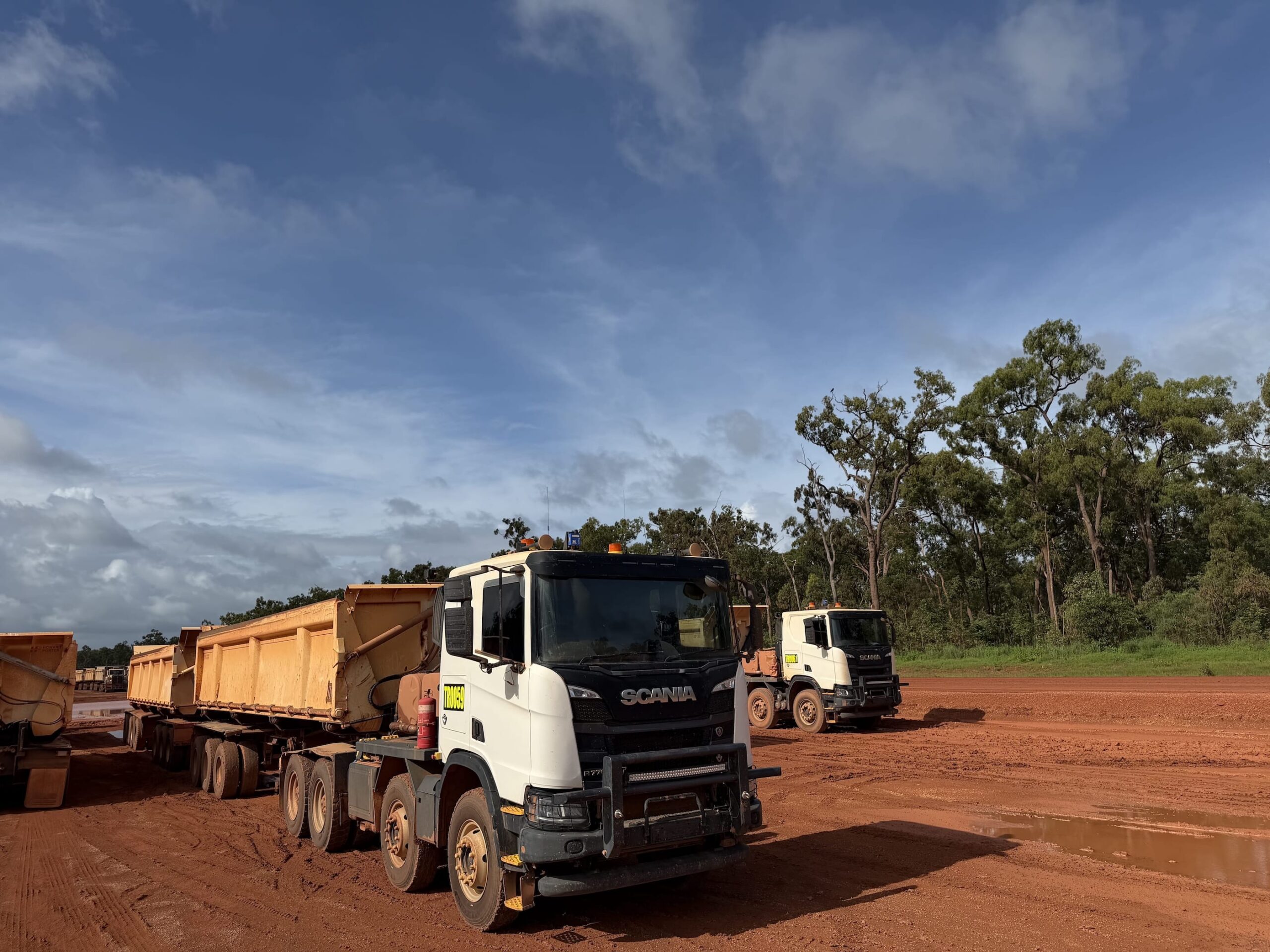
Gold Operation
Project Snapshot
Commodity
Gold
Location
Western Australia
Mining Method
Open Pit
Solution
Haultrax Fleet Management System
Integration
PLMS, Loadrite, OEM CAN Data

The Challenge
As the operation continued to grow, the site required better visibility of production performance and greater confidence in the accuracy of operational data.
Production tracking relied heavily on manual tally sheets, creating delays in reporting and limiting visibility of performance during the shift. Supervisors had limited access to real-time productivity information, making it difficult to identify issues and take corrective action before production was impacted.
The operation had also experienced challenges with material tracking, including instances where gold-bearing material was dumped into the incorrect destination. In addition, the site was looking to leverage existing technologies and machine data more effectively, including payload monitoring, machine health information, and fuel consumption data.
To support operational decision-making, the site required a solution capable of bringing production, payload, equipment and material movement information into a single platform.
The Solution
Haultrax deployed its Fleet Management System across the production fleet, providing real-time visibility of production activities and automating the capture of critical operational data.
Real-time fleet visibility and automated cycle tracking
Production and delay reporting
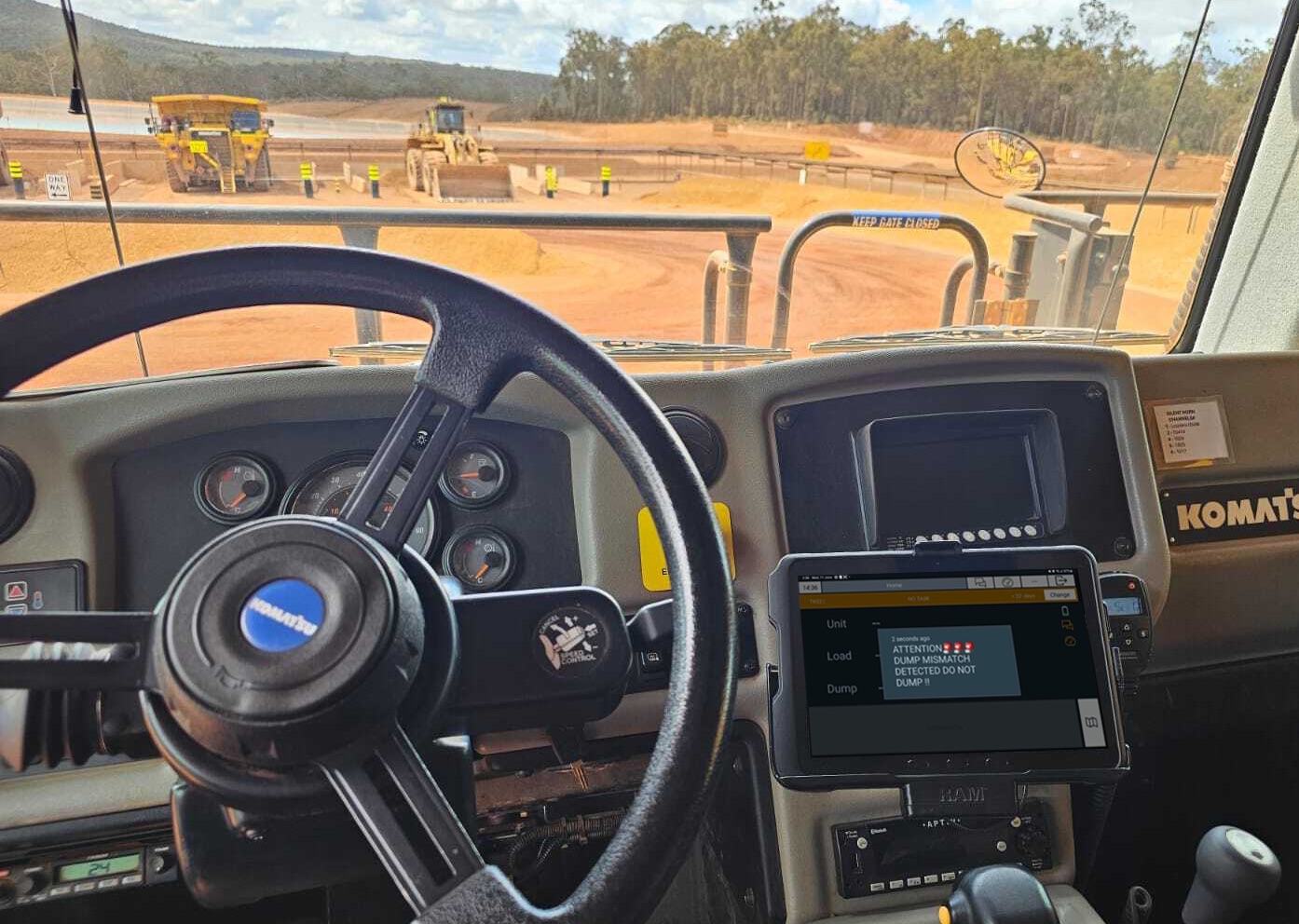
Dump Mismatch Alarms to reduce material handling errors
Loadrite integration
Payload Management System integration
CAN data integration for SMU, payload and fuel monitoring
The Outcome
The operation established a single source of truth for production, payload and fleet data, eliminating the need to reconcile information across multiple systems and manual reporting processes.
Automated cycle capture, payload integration and OEM machine data improved the accuracy of production reporting, material reconciliation and asset performance monitoring. Supervisors gained access to real-time operational data, allowing production issues and delays to be identified and addressed during the shift rather than after reporting was completed.
The introduction of Dump Mismatch Alarms helped strengthen material tracking processes by providing operators with immediate feedback when material was directed to an incorrect destination, reducing the risk of costly material handling errors.